Beneficiary Deeds · Arizona
A beneficiary deed only moves your house.
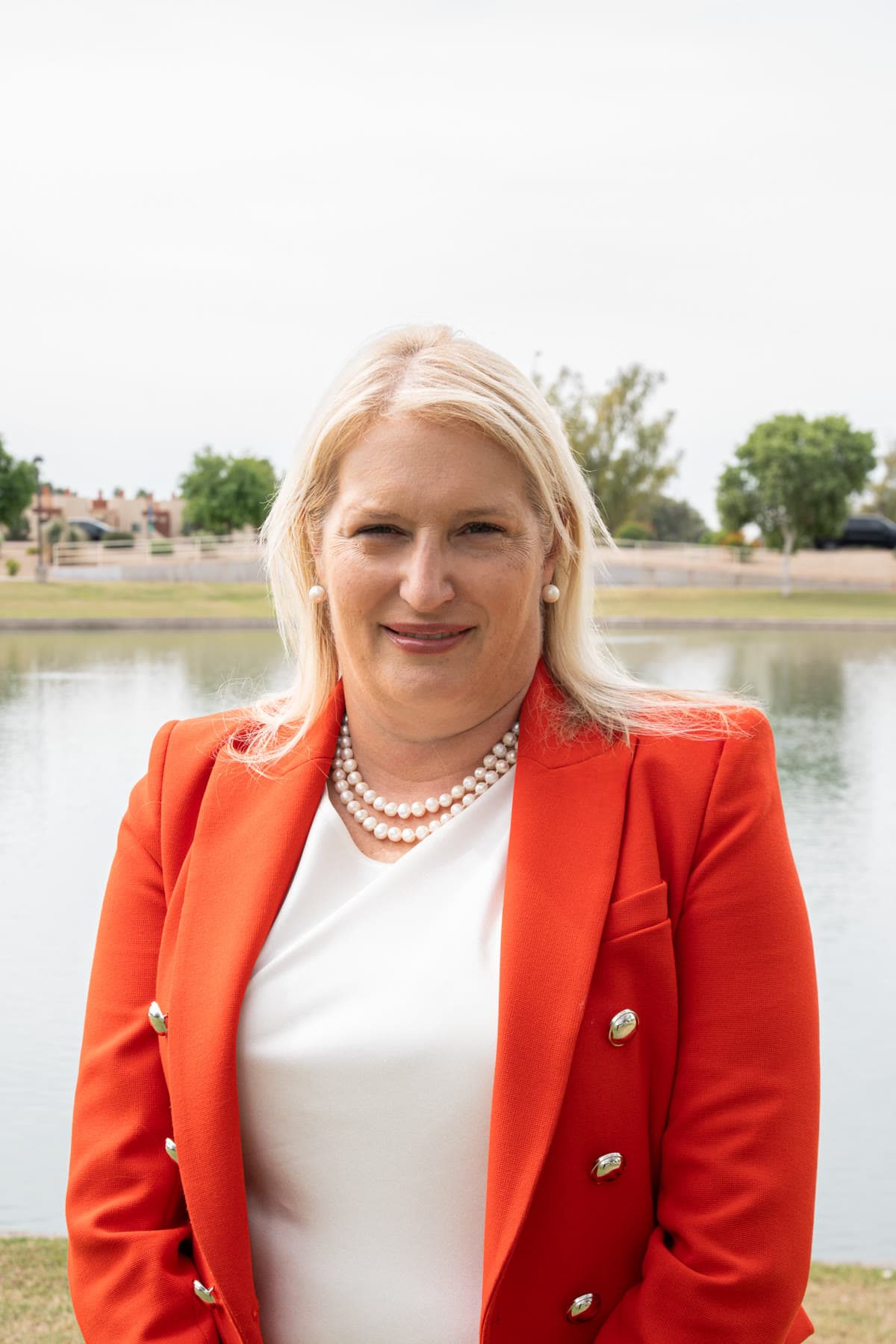
Most families think one recorded deed covers the whole estate. It covers the property it names, and nothing more. Irma explains why in 33 seconds.
What a beneficiary deed actually does.
Arizona lets you name who receives a piece of real estate after you pass away. Sign the deed, get it notarized, and record it with the county recorder where the property sits. Do that before you pass and the property skips probate.
It is a real tool and it works. The catch is how narrow it is. It moves the property it names and says nothing about the rest of what you own.
See how trusts workA beneficiary deed
One piece of Arizona real estate, named in the deed and recorded before you pass away. Your beneficiary claims it by recording a certified death certificate. No court, no judge, no probate case.
A revocable living trust
A container you title assets into while you are alive: the house, the accounts, a rental, a business share. Your successor trustee hands them out under your written instructions.
Where the gaps are
Six places a beneficiary deed runs out.
A deed is quick to sign and cheap to file. These are the six spots where it stops.
Only the property it names
Your bank accounts, investments, cars, and business share are untouched. Each needs its own beneficiary form, or it goes to probate.
Nothing while you are alive
The deed does no work until you pass away. If a stroke takes your ability to sign, a judge may have to appoint a conservator to manage your money.
Recorded before you pass, or void
A.R.S. 33-405 only counts a deed recorded in the property's county before you pass away. Sign it, leave it in a drawer, and it does nothing.
The mortgage rides along
Your beneficiary takes the property with every loan and lien still attached. A deed moves ownership. It does not clear debt.
A child cannot hold a house
If the person you named is still a minor, the property goes to them outright. A judge then has to appoint someone to manage it, which is the court case you were skipping.
Three names, one disagreement
Name three kids on one house and they own it together. If one wants to sell and two do not, a judge can end up ordering the sale.
The two paths, side by side.
Both aim at the same thing: keeping your family out of a courtroom. The gap between them shows up when life does not go to plan.
- What it covers
Beneficiary deed
One piece of Arizona real estate, described in the deed.
Revocable living trust
Whatever you title into it: the house, accounts, a rental, a business share, property in another state.
- When it starts working
Beneficiary deed
The day you pass away, and only if you recorded it first.
Revocable living trust
The day you sign it and move your assets in.
- If you cannot sign anymore
Beneficiary deed
Nothing happens. Your family may need a court-appointed conservator to pay your bills.
Revocable living trust
Your successor trustee steps in and keeps things running. No court file.
- Who can read it
Beneficiary deed
It is public at the county recorder from the day you record it.
Revocable living trust
It stays private. A will, by contrast, becomes a public court record in probate.
- Timing after a death
Beneficiary deed
Title can clear in days once the death certificate is on file.
Revocable living trust
Your trustee starts right away. With no probate case, the four-month creditor window in A.R.S. 14-3801 never begins.
- What it cannot do
Beneficiary deed
Stage a payout, protect a beneficiary who is not ready, or name a guardian for your kids.
Revocable living trust
Lower your income taxes, or shield your assets from your own creditors.
When a deed on its own is enough.
Sometimes it is, and we will tell you so. One Arizona house, one adult you trust, and every account already carrying a named beneficiary. In that shape a deed carries the whole plan.
Arizona also raised its small estate limits on September 26, 2025, from $75,000 to $200,000 of personal property and from $100,000 to $300,000 of real estate. Heirs under those caps can use an affidavit instead of full probate, counted after mortgages and liens. The real estate affidavit waits six months.
Ask which one fitsA deed can carry it
One Arizona property, one adult beneficiary, and payable-on-death forms already on the accounts. No out-of-state property, no minor children, no second marriage to balance.
A trust earns its cost
Property in two states, a rental, a business, a child not ready for a lump sum, or kids from two marriages. A trust also puts someone in charge if you cannot sign.
The Turquoise difference
Plain answers, at a price that stays fair.
Irma says it in the video: we explain everything without complicated legal jargon. The structure below is what lets us do that at a price families can actually pay.
1,000+
Arizona families helped
458
Trusts navigated
5
Awards won
A modern, honest structure
Arizona lets us run a licensed Alternative Business Structure. That means skilled paralegals do more of the work. Attorneys still oversee all of it, so you get real legal help at a fair price.
Bilingual, English and Spanish
Our owner and founder, Irma C. Davenport, is fluent in Spanish. Every family is served, and every document explained, in the language they know best.
Personal, one-on-one attention
You work with people who know your name and your story, not a case number. Plain answers, and real time for your questions.
Decades of Arizona experience
Our attorneys have guided families through wills, trusts, guardianships, and probate for years, with the judgment that only comes from the work itself.
How we settle the question with you.
- 01
We list what you own
Every account, property, vehicle, and business share on one page. Most people find something they had forgotten.
- 02
We check what already has a path
Retirement accounts and life insurance usually pass on their own beneficiary form. We look for the assets with no path at all.
- 03
We price both options
You see the cost of a deed and the cost of a trust in writing, before you decide.
- 04
We put it in place
If a deed fits, we draft it and record it in the right county. If a trust fits, we help you move your assets in, the step people skip on their own.
Keep exploring
Where this fits in your plan.


Beneficiary deed questions, answered.
These come up at almost every consultation. If yours is not here, just call.
Call (480) 863-6303One deed costs less to prepare, yes. Whether it is cheaper overall depends on what else you own. A deed that leaves three accounts and a rental in probate can cost your family more than the trust would have.
Yes, and it is a common setup. A.R.S. 33-405 lets a beneficiary deed name the trustee of a trust, even a revocable one, so the property drops into your trust when you pass.
No. You still own it, and you can sell it, refinance it, or revoke the deed. Record a newer deed and the last one on file before you pass is the one that counts.
Whatever the deed says. Arizona lets you write it so the transfer becomes void, so it passes into that person's estate, or so a successor takes it. Leave that language out and the deed can land in probate anyway.
Longer than families expect. Under A.R.S. 14-3801 creditors get four months from the first published notice to bring a claim, so no case closes before then, and uncontested cases commonly run six months to a year.
You can, and both owners sign it. Arizona puts a surviving joint tenant ahead of the person named in a beneficiary deed, so it only pays out after the last owner passes.
This page is general information for educational purposes and is not legal advice about your property. Reading it does not make us your lawyers. Talk with us before you sign or record anything.
Turquoise Law Group, PLLC contracts with Roddy & Urness, PLLC or Nancy C. Pohl, PLLC in order to provide legal advice to your matter at an affordable cost.
Schedule your meeting
Find out which one you need.
Book a free consultation. We will add up what you own and show you whether a deed or a trust does the job.
- Phone, video, or in our Scottsdale office
- Free and with no obligation
- Available in English and Spanish
Prefer to talk now?
(480) 863-6303